
In this article
Creating a cozy home is not about how much you spend. It is about how the rooms make you feel when you walk in after a long day. A cozy space welcomes you, reflects your personality, and supports the way you actually live. Whether you are working with one room or a whole house, these ten habits help turn a house into a place that feels settled.
1. Layer soft textiles
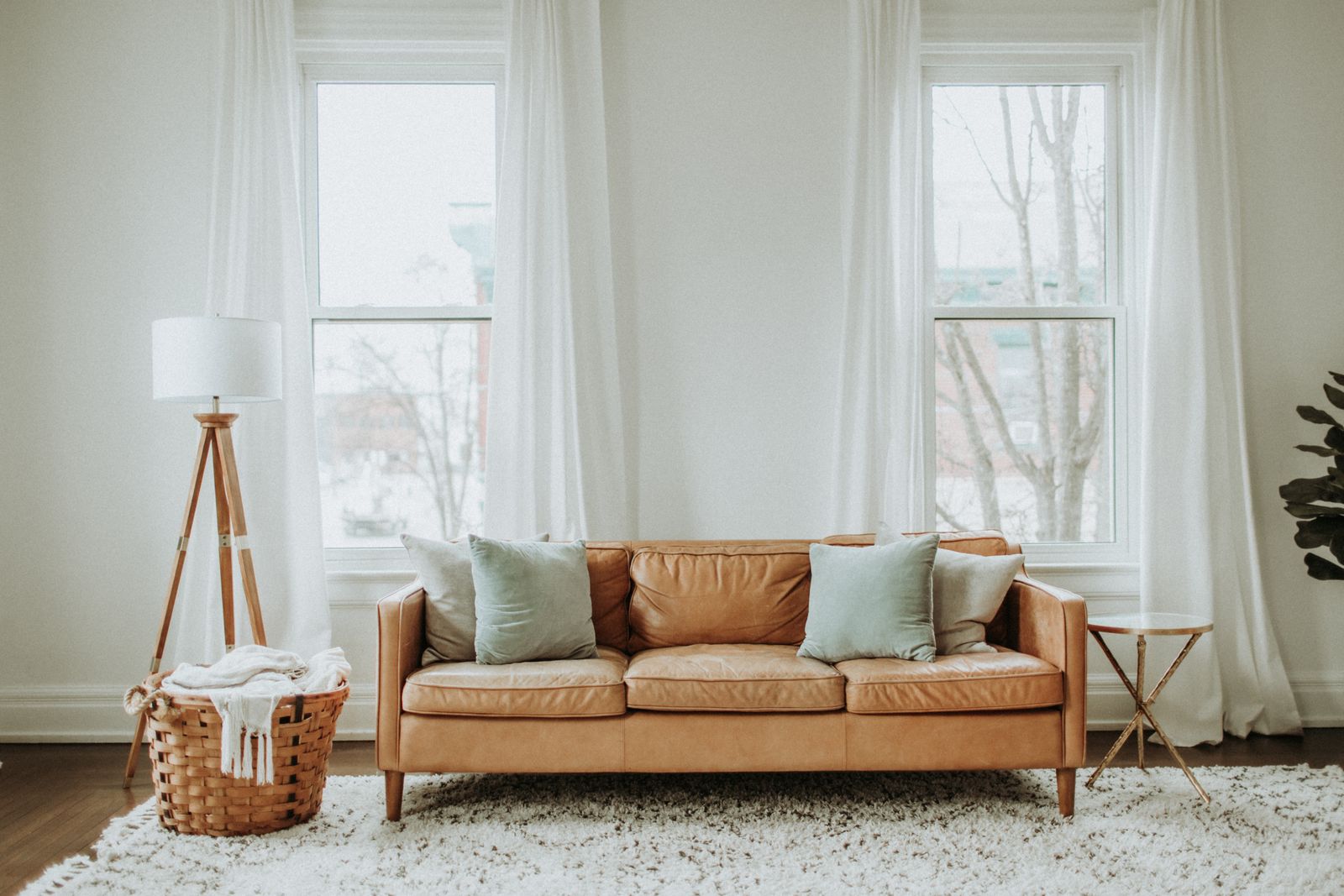
Nothing says cozy like a mix of textures. Throw pillows, a knit blanket, and a rug underfoot add warmth you can feel. Stay in a consistent color family, but vary the materials: linen, wool, velvet, and cotton each bring comfort in a different way.

2. Warm up the lighting
Harsh overhead light can flatten a room. Aim for layers: a ceiling light for general use, lamps for evenings, and a sconce or candle where you want a softer edge. Warm color temperature usually feels more inviting than cool blue-white light. If you are renovating or building, plan these layers before construction. I explain that process in Planning Lighting Before Construction.
3. Use a warm color palette
Neutrals with warm undertones, like taupe, sand, soft olive, or blush, create an inviting atmosphere. Deeper tones can add richness in smaller doses. Paint is powerful, but it should answer to the light in your room and the materials already around it, not only to a chip under store lighting.

4. Bring in natural elements
Wood, stone, linen, and plants connect an interior to the outdoors. Even a wooden stool, a ceramic vase, or a single branch in water can soften a hard room. Natural materials age; that is part of their comfort.

5. Create a cozy corner
Dedicate a reading nook, a chair by a window, or a small daybed corner with soft light nearby. In small homes, one well-planned corner can do more than filling every wall with furniture.

6. Keep personal pieces visible
Your home should hold your story: travel photos, books, heirlooms, a child's drawing framed with care. These details cost little and do more for belonging than another decorative object bought to fill a gap.

7. Declutter, then curate
Cozy does not mean cluttered. Clear what you do not need, then place what remains with intention. Baskets, closed storage, and a few trays can keep daily life practical without making the room feel busy. Planning storage early helps; I wrote about that in Planning Storage Before It's Too Late.

8. Invest in seating you actually use
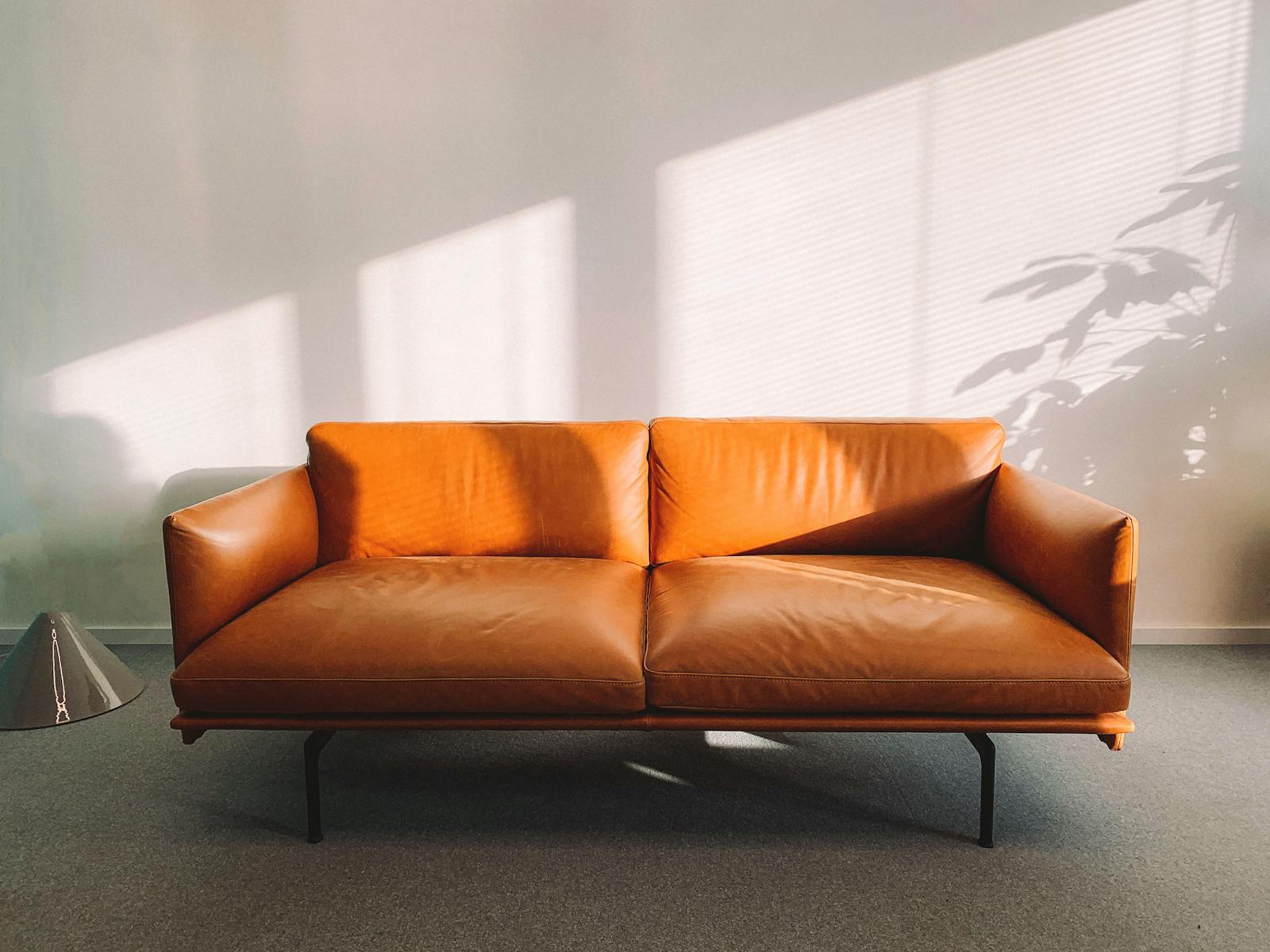
Your sofa or main chairs anchor the room. Choose pieces that feel good to sit in, not only ones that photograph well. Scale, support, and fabric matter more than matching a trend.
9. Use scent with restraint
Scent is easy to overlook. A candle, diffuser, or simmer pot can mark a season or a ritual. Keep it subtle. Cozy is a feeling, not a cloud of fragrance.

10. Design the whole home with intention
The coziest homes usually share one thing: the rooms agree with each other. Light, materials, storage, and furniture are chosen as a whole, not as separate impulse buys. That is where interior design and architectural thinking meet: the layout, the finishes, and the way you live should support one another.
Start with light, texture, color, nature, and a place to rest. Clear what does not serve you, keep what tells your story, and let the whole home follow one calm direction.
Want help making these decisions for your home?
I work remotely with homeowners on interior design and residential planning, from one room to a full custom home, so the finished space feels cozy and purposeful.

Arch Design by B, LLC
See Your Home Before It’s Built.